
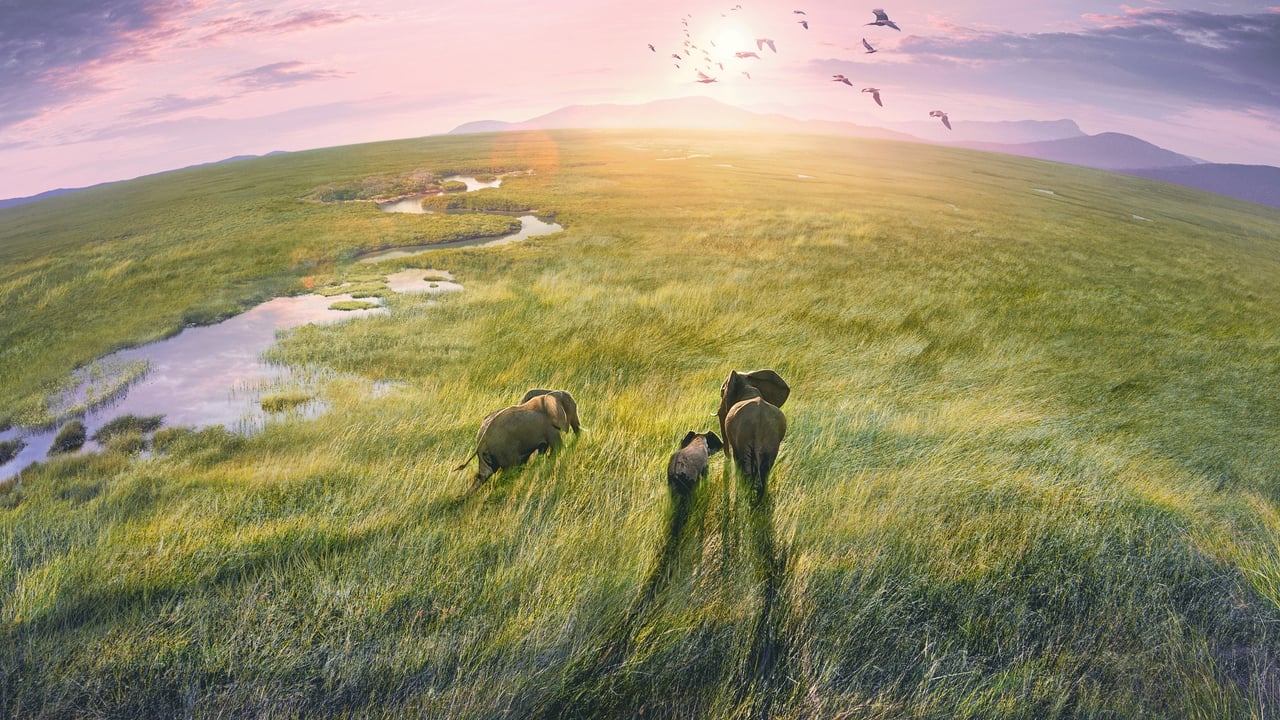
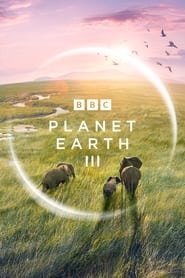
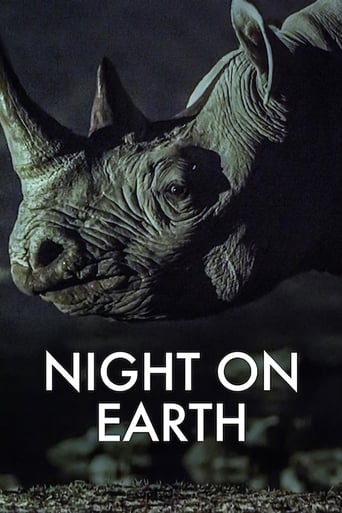
Journeying to the far reaches of our planet, this eight part series follows some of the world's most amazing species, telling extraordinary stories that are dramatic, thrilling, funny and sometimes heart-breaking, but always full of hope.
🏷 Documentary, Family · 2023
AniMixPlay: nature and wildlife documentaries, from Disney's True-Life Adventures and Life on Earth to Planet Earth III, Welcome to Earth, African Cats, Night on Earth and The Green Planet, and where to watch them
347 nature documentaries: 159 series and 188 films about oceans, big cats, birds, bugs and plants, primates, national parks and dinosaurs, with David Attenborough on 63 of them. Search a title and press Watch now.
Every title has a Watch now button that opens the official services for your country. My List keeps your picks in this browser, and the A-Z List lays the whole catalogue out by letter.
Popular
Load more › 1974NOVAEP 1029
 1982NatureEP 697
 1983Natural WorldEP 543
 1960The Nature of ThingsEP 680
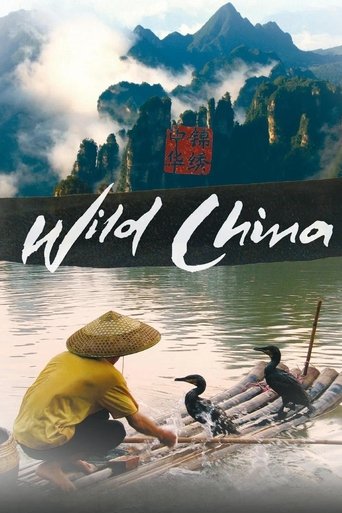 2008Wild ChinaEP 6
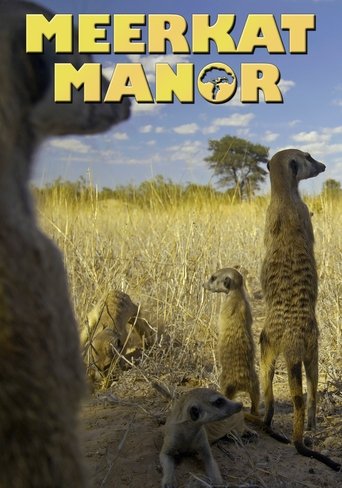 2005Meerkat ManorEP 52
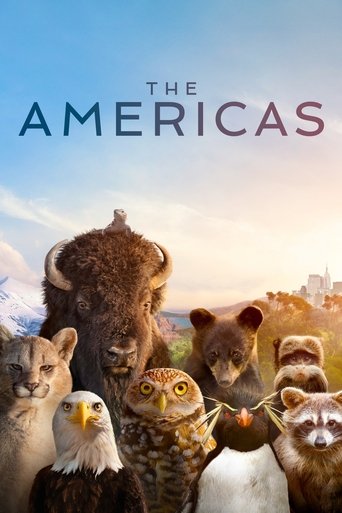 2025The AmericasEP 10
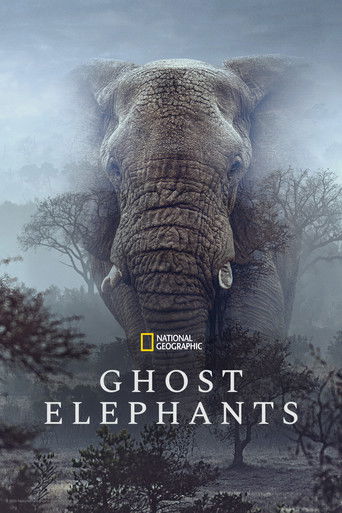 2026Ghost Elephants99 min
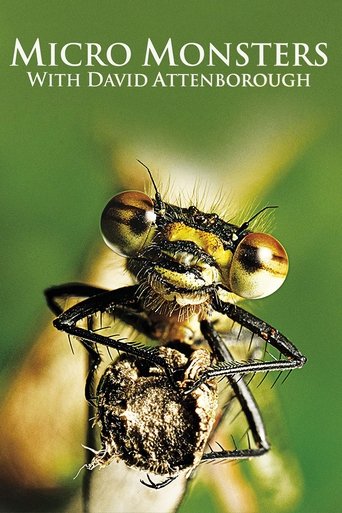 2013Micro Monsters with David AttenboroughEP 6
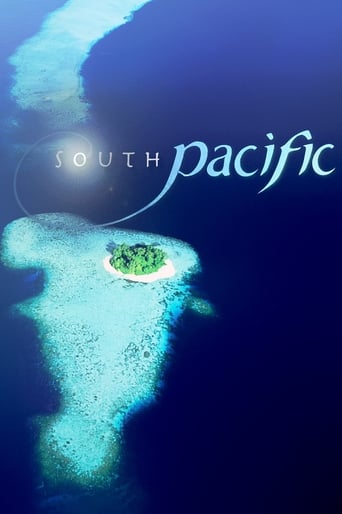 2009South PacificEP 6
 2025Ocean with David Attenborough85 min
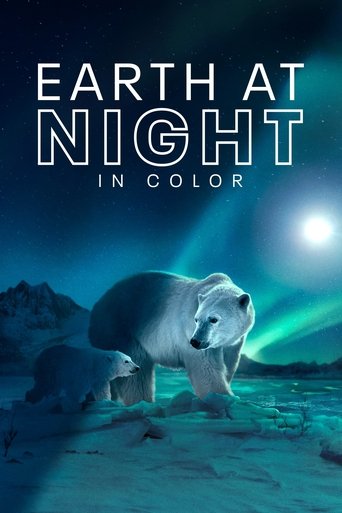 2020Earth at Night in ColourEP 12
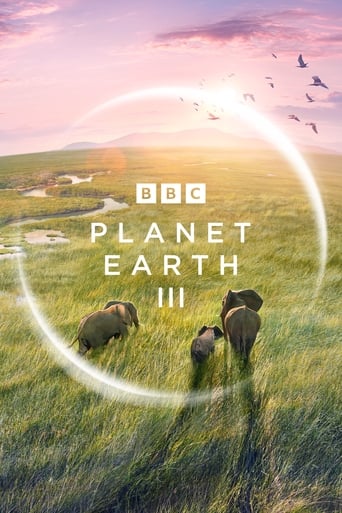 2023Planet Earth IIIEP 8
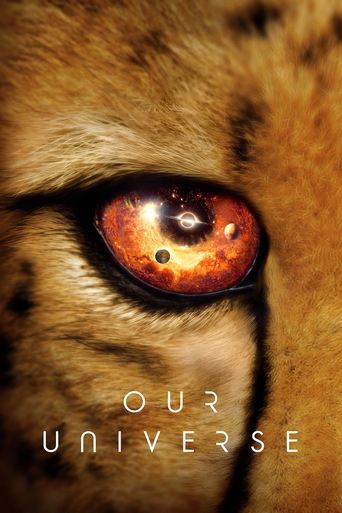 2022Our UniverseEP 6
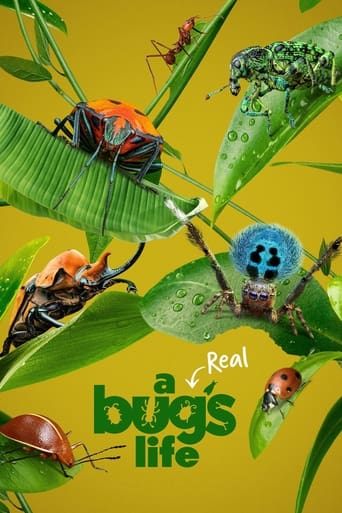 2024A Real Bug's LifeEP 10
 2011Human PlanetEP 8
 2013WinterwatchEP 77
 2009The National Parks: America's Best IdeaEP 6
David Attenborough
Load more ›- 1983Natural WorldEP 543
- 2013Micro Monsters with David AttenboroughEP 6
- 2025Ocean with David Attenborough85 min
- 2023Planet Earth IIIEP 8
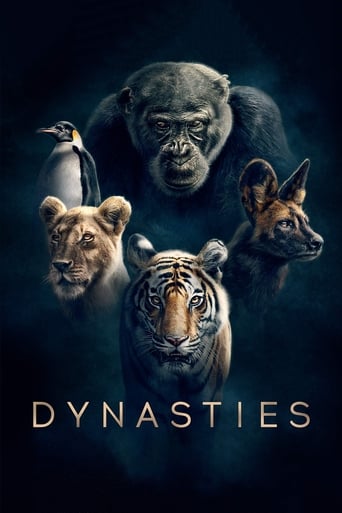 2018DynastiesEP 9
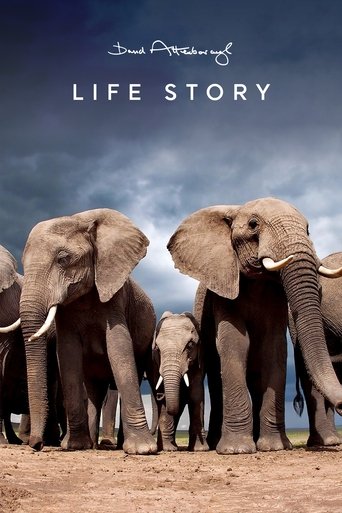 2014Life StoryEP 6
 1979Life on EarthEP 13
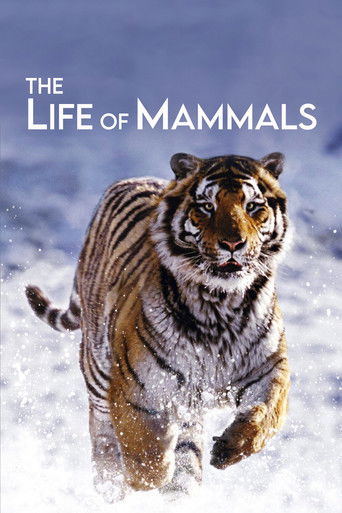 2002The Life of MammalsEP 10
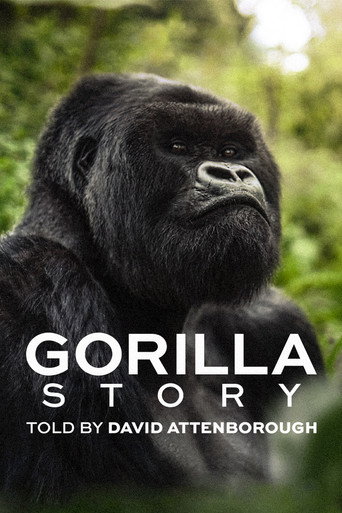 2026A Gorilla Story: Told by David Attenborough78 min
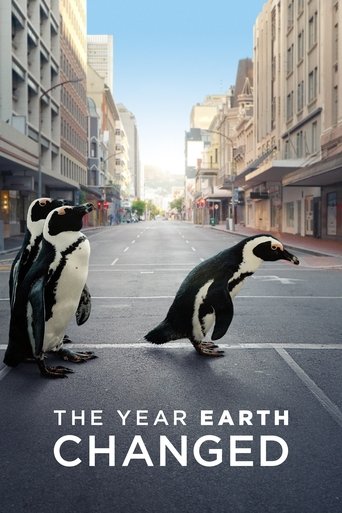 2021The Year Earth Changed48 min
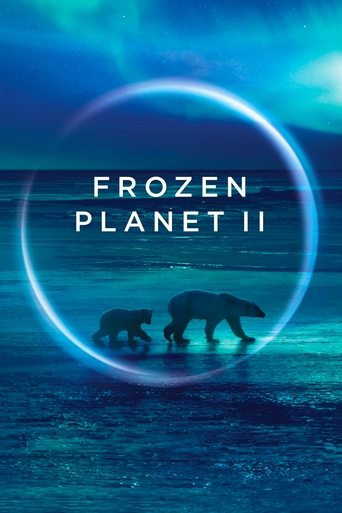 2022Frozen Planet IIEP 6
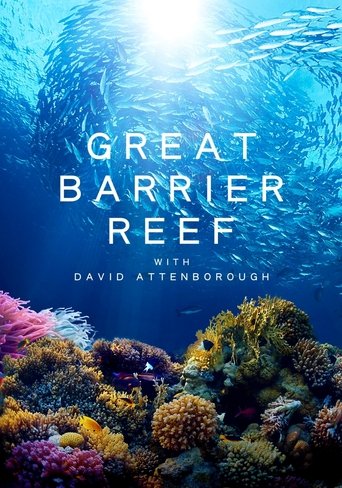 2015Great Barrier Reef with David AttenboroughEP 3
Ocean life
Load more ›- 2009South PacificEP 6
- 2025Ocean with David Attenborough85 min
- 2021The Year Earth Changed48 min
- 2015Great Barrier Reef with David AttenboroughEP 3
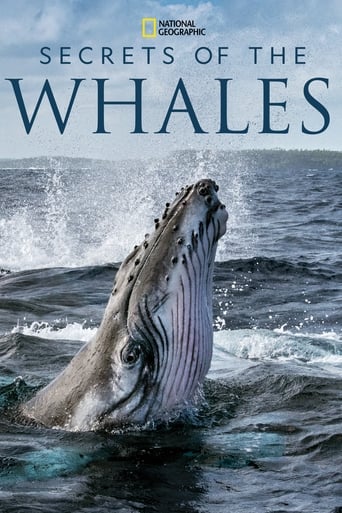 2021Secrets of the WhalesEP 4
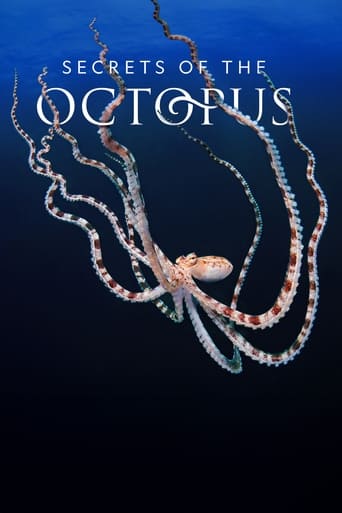 2024Secrets of the OctopusEP 3
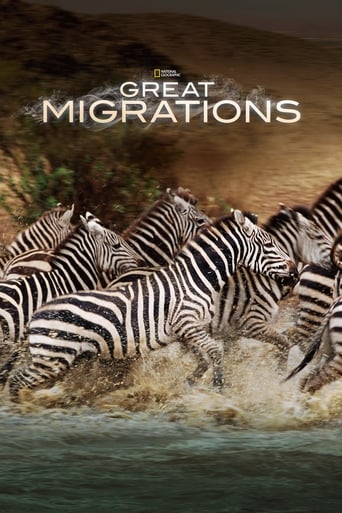 2010Great MigrationsEP 7
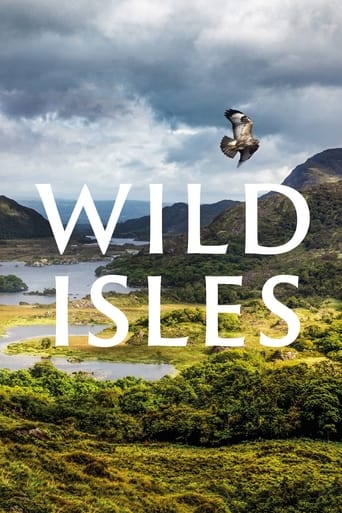 2023Wild IslesEP 5
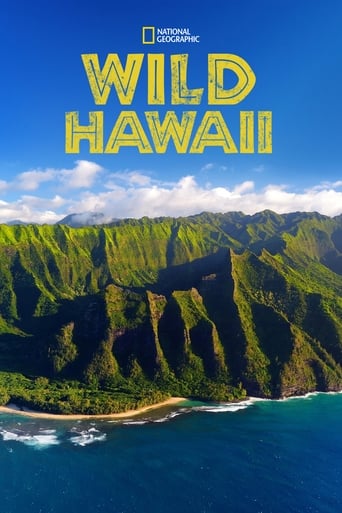 2014Wild HawaiiEP 2
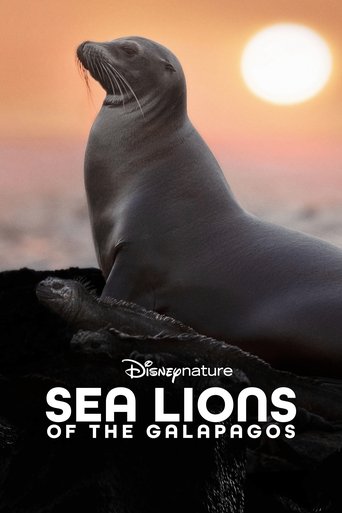 2025Sea Lions of the Galapagos83 min
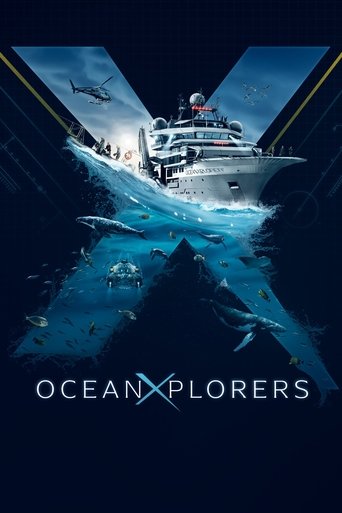 2024OceanXplorersEP 6
 2025Shark Whisperer90 min
Big cats
Load more ›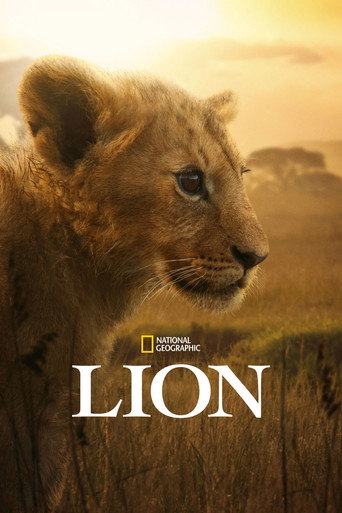
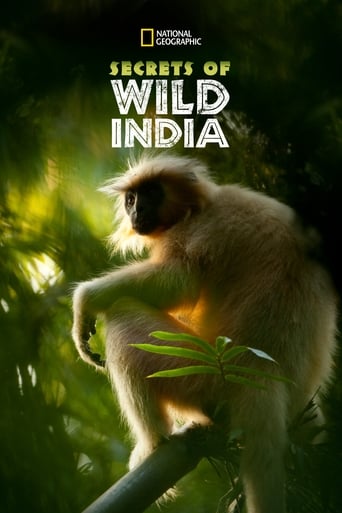
The AniMixPlay guide
AniMixPlay: nature and wildlife documentaries, from Disney's True-Life Adventures and Life on Earth to Planet Earth III, Welcome to Earth, African Cats, Night on Earth and The Green Planet
Some of the most beautiful films ever made star a cast made entirely of wild things: lions and humpback whales, hummingbirds and octopuses, giant redwoods and tiny ants. The nature documentary is one of the great family pleasures: a form that thrills small children, fascinates teenagers and still makes grown-ups gasp, and that takes a whole household to places very few people will ever see in person. AniMixPlay gathers 347 nature and wildlife documentaries made between 1950 and 2026, 159 series and 188 films, each with its own page, its story, year, running time or episode count, and a Watch now button that leads to the official services carrying it in your country.
The catalogue has been chosen by hand for families to enjoy together. It runs from the True-Life Adventures that Walt Disney's cameramen shot in the fifties to the newest landmark series from the BBC Natural History Unit, National Geographic, PBS, Netflix, Apple and Disney, with the long career of Sir David Attenborough as its backbone. There are deep-sea expeditions and coral reefs, big cats and great apes, penguins and birds of paradise, fungi and flowers, national parks and dinosaurs, and a shelf of giant-screen films first made for IMAX domes.
Those themes form the shelves. David Attenborough holds 63 titles, Ocean life 95, Big cats 40, Birds and flight 38, Bugs and plants 68, Primates 20, Bears, wolves and elephants 81, Wild places and parks 48, Dinosaurs and deep time 52, Disneynature and True-Life 32 and Giant-screen films 34. Two format shelves split the catalogue into Documentary series and Feature films, the decade shelves trace the story through time, with 43 titles from 1950 to 1999, 46 from the 2000s, 142 from the 2010s and 116 from 2020 onward, and a Top rated shelf picks out the titles audiences have scored most highly.
AniMixPlay is for anyone who loves the living world: parents looking for a film the whole family will enjoy, children who know every dinosaur by name, teenagers curious about the ocean, grandparents who grew up with Life on Earth, and anyone who simply wants to spend an evening somewhere wild. The guides below suggest where to begin, which titles suit which ages and how to plan a nature night at home.
How AniMixPlay looks
AniMixPlay takes its look from the anime site whose name it shares, a clean, dark design that put the posters first. The page is a deep charcoal grey, almost black, which makes the colours of every poster glow. At the top sits a slim bar holding the AniMixPlay wordmark in white, with the P drawn as a play button in a gradient from bright cyan to sky blue, a search box with a small magnifying glass, and quick links to the Weekly top, the A to Z List and My List.
Below the bar runs a row of dark tabs, each with soft blue lettering and a thin grey underline: Home, All, Series, Movie, Attenborough and the A-Z List. The tab for the page you are on turns a lighter grey with a bright underline, just as the original site marked its Sub, Dub and Popular tabs. On the home page, a featured card sits under the tabs with a softly blurred picture behind it, a poster at the left, a title, a short story and a line of genres, and a grey notice box introduces the catalogue.
The heart of the page is the poster grid. Each card is a dark tile holding a poster with the rating in a small dark corner at the top left, a gold star beside it, and the year in a tag at the bottom right. Beneath the poster comes the title in a soft blue, clamped to two lines, and a small grey line showing the number of episodes for a series or the running time for a film. Cards shrink slightly and brighten when the pointer passes over them, the same gentle effect the original grid used.
On wide screens a narrow right column carries dark cards with centred headings between thin rules: the shelves with their title counts, the decades, a Weekly top list of the highest-rated titles with tiny posters, and the guides. At the bottom of the page, a pale strip holds the footer links and a darker footer closes the page. On a phone the right column moves below the grid, the tabs fold into a menu, and the posters arrange themselves in neat rows of three.
Using the site
There are several ways into the catalogue. The search box in the top bar finds any title, series or film as you type: try Planet, penguin, Yellowstone, Attenborough or reef. The tabs open the whole catalogue, the series alone, the films alone, the Attenborough shelf or the A to Z List, where every title is laid out by its first letter.
The home page itself is a tour. After the featured card and the notice comes the Popular grid of eighteen titles, then rows from the David Attenborough, Ocean life and Big cats shelves, each with a Load more link to the full shelf. The right column lists every other shelf with its count, so a single click takes you to the primates, the birds or the dinosaurs.
Every title page shows the poster, the story, the year, the running time or the number of episodes and seasons, the genres, the narrator or presenter where TMDB lists one and the studio or broadcaster behind it. Series pages list every season, with the episodes inside, so you can see at a glance how long a series runs before you start. The Watch now button sits near the top of every page, and the Add to My List button keeps the title in your browser for later.
Sir David Attenborough
One name runs through the whole catalogue: Sir David Attenborough. Born in 1926, he joined the BBC in the early fifties and soon set off on Zoo Quest, a series of animal-collecting expeditions to Sierra Leone, Guyana, Indonesia and beyond. For decades the colour film he shot on those journeys sat in the BBC vaults while audiences saw the series in black and white, and Zoo Quest in Colour finally brings that rediscovered footage to the screen with Attenborough himself looking back on his first adventures.
After a spell running BBC Two, where he oversaw the arrival of colour television in Britain, he returned to programme-making and spent the next half century writing and presenting the series that defined the nature documentary. Attenborough: 60 Years in the Wild and Attenborough at 90: Behind the Lens tell that story through his own memories and the people who filmed with him, and they make a lovely introduction for anyone new to his work.
His style is the secret of his success: a warm, curious voice, a gift for explaining complicated science in a single sentence and a sense of wonder that seems to grow with every year. Children who meet him today through Planet Earth III or Ocean with David Attenborough are hearing the same voice their grandparents heard in Life on Earth, and the AniMixPlay shelf lets a family travel through his whole career.
The Life collection
Life on Earth, first shown in 1979, set out to tell the whole story of life in thirteen programmes, from the first single cells in the ancient seas to the mammals and, finally, to ourselves. It was filmed in dozens of countries over three years, and its most famous moment, Attenborough sitting among a family of mountain gorillas in Rwanda and whispering to the camera, is still one of the best-loved scenes in television history. A Gorilla Story: Told by David Attenborough returns to those gorillas and their descendants decades later.
The series that followed form what is often called the Life collection. The Living Planet turns from evolution to habitats, visiting deserts, jungles, oceans and the frozen poles. Trials of Life follows animals through the great moments of their lives, from birth and finding food to courtship and raising a family. Life in the Freezer spends a year in Antarctica and the Southern Ocean, and The Private Life of Plants uses time-lapse photography to reveal plants growing, climbing, flowering and travelling as if they were animals.
The Life of Birds spans the whole world of birds in ten programmes, from flightless giants to tiny hummingbirds, and The Life of Mammals follows the mammals from shrews and anteaters to whales and our closest relatives. Life in the Undergrowth dives into the miniature world of insects, spiders and other invertebrates with cameras built to film them at their own scale, and Life in Cold Blood turns to the reptiles and amphibians, with tortoises, chameleons, frogs and crocodiles at their most surprising.
Watched in order, the Life collection is one of the great achievements of television and a complete course in natural history. Families can take it one programme at a time over weeks or months, and the episode lists on each series page make it easy to keep track.
The modern landmarks
In the twenty-first century Attenborough's series grew bigger and more beautiful as camera technology improved. Dynasties spends a whole programme each with a chimpanzee group, an emperor penguin colony, a lion pride, a pack of painted wolves and a tigress, telling their stories like family sagas. Frozen Planet II returns to the polar regions and the high mountains, and The Green Planet uses new time-lapse and motion-control cameras to show plants moving through the world.
Planet Earth III, made in 2023, is the third chapter of the famous Planet Earth story, with eight programmes on coasts, oceans, deserts and grasslands, jungles, freshwater, extremes, the human world and the heroes working to protect wildlife. Wild Isles brings the same ambition home to Britain and Ireland, with puffins, hen harriers, orcas and bluebell woods, and Secret Garden and Wild London look even closer to home, at the wildlife of gardens and of the capital's parks and rivers.
Mammals celebrates the most successful animal group on the planet, Asia travels from the Gobi Desert to the coral seas of the Indian Ocean, and Parenthood follows animal parents through the long work of raising a family. Life Story, from 2014, takes a single animal life from birth to adulthood, and Attenborough's Life in Colour explains why the natural world is so colourful, using special cameras to show colours that animals see and we usually miss.
Among the films, Ocean with David Attenborough is a cinema documentary released in 2025, the year of his ninety-ninth birthday, celebrating the sea and the people working to restore it. Secret Lives of Orangutans follows a family of orangutans in the forests of Sumatra, and The Year Earth Changed shows how wildlife responded around the world when people stayed home in 2020.
Attenborough's specials
Alongside the great series, Attenborough made dozens of single films, many of them for the BBC's Natural World strand, and they are perfect for an evening when a whole series feels like too much. Attenborough and the Giant Dinosaur follows the excavation in Argentina of one of the largest dinosaurs ever found, and Attenborough and the Giant Sea Monster follows the discovery of a huge pliosaur skull in the cliffs of the Dorset coast. Attenborough and the Giant Elephant tells the true story of Jumbo, the famous Victorian circus elephant, and what his bones reveal.
Attenborough's Paradise Birds explores the birds of paradise of New Guinea and the explorers and artists who fell in love with them, Attenborough's Life That Glows reveals glow-worms, fireflies and deep-sea creatures that make their own light, and Attenborough's Wonder of Song celebrates the singing of birds, whales and gibbons. Hummingbirds: Jewelled Messengers slows the tiniest birds down so their wingbeats become visible, and Great Natural Wonders of the World tours seven continents in search of the most spectacular places on the planet.
In 3D, Flying Monsters 3D with David Attenborough brings the pterosaurs to life, Kingdom of Plants was filmed at the Royal Botanic Gardens at Kew, Galapagos 3D with David Attenborough explores the islands that inspired Darwin, Micro Monsters with David Attenborough gets close to the insects and David Attenborough's Conquest of the Skies tells the story of flight. David Attenborough's Natural Curiosities pairs strange animals in short programmes perfect for younger viewers.
Ocean life
The ocean covers most of our planet, and it is home to the largest shelf on AniMixPlay, with 95 titles. The great ocean films are a family favourite because they combine spectacle and calm: a blue whale gliding past, a school of fish turning like a single animal, a turtle drifting over a reef. Deep Blue, made in 2003 by the team behind the BBC's ocean series, is a cinematic tour from the sunlit surface to the darkness of the deep, and Oceans, the 2010 Disneynature film, spent years following sea life around the globe.
Among the series, Our Oceans gives one programme each to the Pacific, Atlantic, Indian, Southern and Arctic oceans, and Big Pacific and South Pacific explore the largest of them all, from coral atolls to volcanic islands. Atlantic: The Wildest Ocean on Earth crosses the Atlantic from the Caribbean to the Arctic, and OceanXplorers joins scientists aboard a modern research ship as they investigate the far frontiers of the sea.
For the deepest places of all, Deepsea Challenge 3D follows James Cameron's solo dive to the bottom of the Mariana Trench, and Deep Ocean: The Lost World of the Pacific explores the deep with the submersible that filmed a giant squid in its natural home. Mission Blue tells the story of the oceanographer Sylvia Earle and her campaign to create protected areas she calls hope spots, and Sea of Hope: America's Underwater Treasures follows her with photographer Brian Skerry through American marine sanctuaries.
Whales and dolphins
Whales and dolphins have a special place in the hearts of young viewers, and the catalogue has a whole pod of films about them. Secrets of the Whales, narrated by Sigourney Weaver and filmed by Brian Skerry over three years, reveals that different whale families have their own cultures, languages and traditions, from orcas that hunt as teams to sperm whales that babysit each other's calves. Kingdom of the Blue Whale goes in search of the largest animal that has ever lived.
Humpback Whales, a giant-screen film narrated by Ewan McGregor, travels to Alaska, Hawaii and Tonga to watch humpbacks sing, feed and play, and Whale Wisdom and Patrick and the Whale get close to individual whales and the people who study them. The Loneliest Whale: The Search for 52 is a gentle detective story about a whale that sings at an unusual frequency and the scientists who set out to find it.
For dolphins, Dolphin Reef is a Disneynature film about a young bottlenose dolphin named Echo, Diving with Dolphins shows how it was made, and Dolphins: Spy in the Pod sends hidden cameras disguised as fish and turtles into the heart of the pod. Dolphins, a giant-screen film from 2000, follows two scientists who study dolphin communication, and IMAX Dolphins and Whales: Tribes of the Ocean and Dolphins Up Close with Bertie Gregory complete the shelf.
Reefs and sea creatures
Coral reefs are the rainforests of the sea, and they make some of the most colourful viewing in the catalogue. Great Barrier Reef with David Attenborough returns Attenborough to the reef he first visited in 1957, using a submarine and new cameras to explore it again. Puff: Wonders of the Reef follows a baby pufferfish about the size of a fingernail as it searches for a home, filmed with macro lenses that make the smallest reef creatures look like characters in a fairy tale.
Coral Reef Adventure, narrated by Liam Neeson, follows the underwater filmmakers Howard and Michele Hall on an expedition across the South Pacific, and The Last Reef: Cities Beneath the Sea and Ocean Wonderland turn the reef into a living city. Reef Builders follows people who are restoring damaged reefs by growing new corals, a hopeful story for young conservationists.
The rest of the sea's characters have their own films. Secrets of the Octopus reveals the intelligence of one of the cleverest animals on Earth, Turtle: The Incredible Journey and Turtle Odyssey follow sea turtles across whole oceans, and Sea Lions of the Galapagos follows a young sea lion named Leo learning to swim alongside his mother. Sharks get their turn in Shark, Great White Shark, Sharks 3D and Sharks Up Close with Bertie Gregory, all made with respect for these misunderstood animals.
Big cats
Lions, tigers, leopards and their relatives are the superstars of wildlife film, and the Big cats shelf holds 40 titles. African Cats, the 2011 Disneynature film narrated by Samuel L. Jackson, follows a lioness named Layla and a cheetah mother named Sita raising their cubs on the Maasai Mara, and it is one of the most popular titles on AniMixPlay. Big Cats, a BBC series, travels the world to meet all the cat family, from lions and tigers to the tiny rusty-spotted cat.
For tigers, Tiger is a Disneynature film about a young tigress raising her cubs in the forests of India, Tiger: Spy In The Jungle used cameras carried by elephants to film tiger cubs growing up, and Russia's Wild Tiger follows the Amur tigers of the Russian Far East through the snow. Wild Cats of India and Thailand's Wild Cats introduce the smaller cats of Asia, and The Real Black Panther follows a rare black leopard in the forests of southern India.
Leopards star in Living with Leopards, which follows two cubs from birth to independence, and Eye of the Leopard, made by the filmmakers Dereck and Beverly Joubert in Botswana. Ghost of the Mountains goes in search of the snow leopards of the Tibetan plateau, and Cheetahs Up Close with Bertie Gregory follows the fastest animal on land. Jungle Cat, the last of Disney's True-Life Adventures, follows the jaguar in the rainforests of South America, and A Lion Called Christian tells the true story of a lion cub raised in London in the sixties and returned to Africa.
Birds and flight
Birds are the most visible wild animals in most of our lives, and the films on the Birds and flight shelf show them at their most astonishing. The Life of Birds remains the great introduction, and Earthflight puts the viewer on the wing, flying with snow geese over America, pelicans over Africa and eagles over the Alps, using cameras carried by trained birds, microlights and drones.
Penguins are especially beloved by children. Penguins, a Disneynature film from 2019, follows an Adélie penguin named Steve on his first breeding season in Antarctica, and Penguins: Life on the Edge shows the crew who filmed him. Penguins: Spy in the Huddle sends robot penguins with hidden cameras into the colonies, Secrets of the Penguins follows the explorer Bertie Gregory to penguins on several continents, and The Penguin King and Snow Chick - A Penguin's Tale tell the stories of a king penguin and an emperor penguin chick.
For colour and courtship, Dancing with the Birds, narrated by Stephen Fry, gathers the most extraordinary mating displays of the bird world, from the birds of paradise of New Guinea to manakins that moonwalk along a branch, and it is one of the funniest nature films for children. The Crimson Wing: Mystery of the Flamingos watches millions of lesser flamingos gather on Lake Natron in Tanzania, and Pelican Dreams follows a young pelican rescued from the Golden Gate Bridge.
Bugs, plants and tiny creatures
Some of the most surprising films in the catalogue are about the smallest living things. A Real Bug's Life, narrated by Awkwafina, films insects at their own scale so a garden becomes a jungle and a puddle becomes a lake, and Micro Monsters with David Attenborough does the same in 3D. Bugs!, a giant-screen film narrated by Judi Dench, follows a praying mantis and a butterfly in the rainforest of Borneo, and Flight of the Butterflies tells the story of the scientist who spent forty years tracing the migration of the monarch butterfly to its secret winter home in the mountains of Mexico.
Tiny Creatures follows small American animals on big adventures across the country, Hidden Kingdoms, narrated by Stephen Fry, films chipmunks, elephant shrews and grasshopper mice as if they were heroes of an action film, and Tiny Giants 3D follows a chipmunk and a mouse through their first year. Big Little Journeys follows six tiny animals on the biggest journeys of their lives.
Plants have their own stars. The Private Life of Plants, The Green Planet and Kingdom of Plants reveal leaves, vines and flowers in motion, and The Queen of Trees tells the story of an African fig tree and the tiny wasp that pollinates it. The Magic of Mushrooms and The Kingdom: How Fungi Made Our World explore the hidden network of fungi beneath every forest, and Wings of Life, narrated by Meryl Streep, celebrates the bees, butterflies, hummingbirds and bats that pollinate the flowers we depend on.
Primates
Watching our closest relatives is endlessly fascinating, and the Primates shelf holds twenty titles. Chimp Empire, narrated by Mahershala Ali, follows the largest known chimpanzee community, in Ngogo in Uganda, across four programmes full of friendships, rivalries and politics. Chimpanzee, the 2012 Disneynature film narrated by Tim Allen, tells the true story of a young chimp named Oscar who is adopted by the leader of his group, and it is one of the most heart-warming films in the catalogue.
Jane, made in 2017 from rediscovered National Geographic footage, tells the story of Jane Goodall's first years studying chimpanzees at Gombe in Tanzania, with a score by Philip Glass, and Jane Goodall: The Hope follows her later life as a campaigner for animals and the environment. Monkey Kingdom, narrated by Tina Fey, follows a toque macaque named Maya in an ancient temple in Sri Lanka, and Wild Japan: Snow Monkeys watches Japanese macaques bathing in hot springs in the snow.
Island of Lemurs: Madagascar, narrated by Morgan Freeman, follows the lemurs of Madagascar and the scientist Patricia Wright who has studied them for decades, and Born to Be Wild, also narrated by Morgan Freeman, follows orphaned orangutans in Borneo and orphaned elephants in Kenya as they are raised and returned to the wild. Monkey Planet and Primates cover the whole family, and Silverback follows a wildlife cameraman working with a family of gorillas.
Bears, wolves and elephants
The largest shelf after the ocean is given to the great mammals of the land. Bears, the 2014 Disneynature film, follows an Alaskan brown bear named Sky and her two cubs, Scout and Amber, through their first year out of the den, and Polar Bear, from 2022, tells the story of a young polar bear becoming a mother herself. Kingdom of the Polar Bears, Snow Bears and Polar Bears: A Summer Odyssey travel to the Arctic, and The Hungry Games: Alaska's Big Bear Challenge follows the bears of Katmai National Park as they feast on salmon before winter.
Elephants are gentle giants with remarkable memories and family lives. The Elephant Queen follows Athena, a matriarch leading her herd through the dry season in Kenya, and Elephant, the 2020 Disneynature film, follows an elephant named Shani and her son Jomo across the Kalahari. Secrets of the Elephants travels the world to meet elephant families with their own cultures, and In the Footsteps of Elephant shows the making of the Disneynature film.
For wolves and wild dogs, Kingdom of the White Wolf follows Arctic wolves on Ellesmere Island, Living with Wolves tells the story of a couple who lived alongside a wolf pack in Idaho, and Dogs in the Wild: Meet the Family introduces the whole dog family, from foxes to painted wolves. Meerkat Manor and The Meerkats follow meerkat families in the Kalahari, Pandas follows a giant panda learning to live in the wild, Kangaroo Valley follows a young kangaroo, and Billy & Molly: An Otter Love Story tells of a man in the Shetland Islands who befriends a wild otter.
Pets have their place too. Inside the Mind of a Cat and Inside the Mind of a Dog use science and plenty of adorable footage to explain how our animal companions think, and The Secret Life of Cats follows house cats on their secret adventures, a perfect choice for families with pets of their own.
Dinosaurs and deep time
For many children, dinosaurs are the gateway to science, and the Dinosaurs and deep time shelf has 52 titles that reach back hundreds of millions of years. Walking with Dinosaurs, a new series from 2025, follows individual dinosaurs through their lives with the latest computer animation, built on the evidence found by modern palaeontologists in the field. Big Al tells the life story of a young Allosaurus whose remarkably complete skeleton was found in Wyoming, and Chased by Dinosaurs sends the presenter Nigel Marven back in time to meet giant dinosaurs face to face.
Sea Monsters takes the same idea to the prehistoric oceans, Flying Monsters 3D with David Attenborough brings the pterosaurs into the sky, and Titanoboa: Monster Snake follows the discovery in a Colombian coal mine of the largest snake that ever lived. The Real T Rex with Chris Packham uses the latest research to show what Tyrannosaurus really looked like, and Dinosaur!, a classic from 1985 hosted by Christopher Reeve, shows how scientists and filmmakers imagined dinosaurs before the computer age.
Beyond the dinosaurs, David Attenborough's Rise of Animals: Triumph of the Vertebrates follows the backboned animals from the first fish to the mammals, Charles Darwin and the Tree of Life explains Darwin's great idea of evolution by natural selection, and When Whales Walked: Journeys in Deep Time shows how whales, crocodiles and birds evolved from very different ancestors. How to Grow a Planet and How Earth Made Us, presented by the geologist Iain Stewart, explain how plants and rocks shaped the planet and our history.
Disneynature and the True-Life Adventures
Walt Disney was one of the first filmmakers to bring wildlife to cinema audiences. In the late forties he sent naturalist cameramen into the wild, and the result was the True-Life Adventures, a series of short and feature-length films made between 1948 and 1960. AniMixPlay holds ten of them, among the most charming films in the catalogue: Beaver Valley, Water Birds, The Olympic Elk, Bear Country, Prowlers of the Everglades, The Living Desert, The Vanishing Prairie, The African Lion, Secrets of Life and Jungle Cat.
The True-Life Adventures won a remarkable eight Academy Awards. The Living Desert, the first feature in the series, follows the animals of the American Southwest, from tortoises and tarantulas to bobcats, and The Vanishing Prairie returns to the great plains of bison, pronghorn and prairie dogs. Both won the Oscar for best documentary feature, and Bear Country and Water Birds won Oscars for their shorts. Grand Canyon, a Disney short from 1958, sets the canyon to Ferde Grofé's Grand Canyon Suite and also won an Oscar.
In 2008 Disney launched a new label, Disneynature, to make cinema nature films for a new generation. Earth, made with the BBC team behind Planet Earth, opened the series, and it was followed by Oceans, African Cats, Chimpanzee, Bears, Monkey Kingdom, Growing Up Wild, Dolphin Reef, Penguins, Elephant, Polar Bear, Tiger and Sea Lions of the Galapagos. The Crimson Wing: Mystery of the Flamingos and Wings of Life came early in the label's story, and the behind-the-scenes films Bear Witness, Diving with Dolphins, Penguins: Life on the Edge, In the Footsteps of Elephant, Expedition China and Guardians of the Galapagos show how they were made.
The Disneynature films tell true stories with a storyteller's touch: each follows a single animal family, has a well-known narrator and runs for about ninety minutes, the perfect length for a family evening. They are among the gentlest titles on AniMixPlay and a wonderful first step for young children.
Giant-screen films
Giant-screen films, made for IMAX domes in science museums and aquariums, are one of the hidden treasures of nature cinema. They are short, usually about forty minutes, shot on enormous film negatives and designed to fill the whole field of vision, which makes them ideal for younger children and for a big television. The Giant-screen films shelf holds 34 of them.
The underwater films are especially loved. The Living Sea, narrated by Meryl Streep with music by Sting, celebrates the world's oceans, Dolphins and Coral Reef Adventure follow scientists and filmmakers at sea, Deep Sea 3D, narrated by Johnny Depp and Kate Winslet, dives into the strange world of the deep, and Humpback Whales follows the whales to their breeding grounds. Journey to the South Pacific, OceanWorld 3D, Wonders of the Sea and Amazing Ocean 3D add more colour.
On land, Africa: The Serengeti, narrated by James Earl Jones, follows the great migration, Amazon explores the rainforest, To the Arctic 3D, narrated by Meryl Streep, follows a polar bear mother and her cubs, and Island of Lemurs: Madagascar and Born to Be Wild meet some of the most charming animals on the planet. National Parks Adventure, narrated by Robert Redford, celebrates the centenary of America's National Park Service, Grand Canyon Adventure: River at Risk rafts down the Colorado River, and IMAX: Galapagos 3D follows a young scientist in the footsteps of Darwin.
The great broadcasters
Behind most of the series on AniMixPlay stand a few great broadcasters. The BBC Natural History Unit in Bristol, founded in 1957, has made more landmark wildlife series than anyone, from Life on Earth to Planet Earth III, and its long-running strand Natural World has been showing single wildlife films on BBC Two since 1983. The BBC's Wildlife Specials gave single animals such as the tiger, the eagle and the polar bear a programme of their own.
In America, PBS has broadcast Nature since 1982 and NOVA since 1974, two of the longest-running science series on television, and Canada's The Nature of Things has been running on CBC since 1960. National Geographic made Secrets of the Whales, Secrets of the Elephants, Secrets of the Octopus, A Real Bug's Life and Welcome to Earth, and Netflix, Apple and Disney have joined in with Night on Earth, Chimp Empire, Earth at Night in Colour, The Elephant Queen and Our Oceans.
Independent filmmakers add their own voices. John Downer's company made Penguins: Spy in the Huddle, Dolphins: Spy in the Pod, Spy in the Wild and Earthflight, famous for their hidden cameras and animatronic spy animals, and the MacGillivray Freeman company made many of the giant-screen films. Meerkat Manor, made by Oxford Scientific Films, turned a family of meerkats in the Kalahari into the stars of a long-running series that children still adore.
Nature films for every age
Nature documentaries suit almost every age, but some are gentler than others. Predators and prey are part of life in the wild, and most modern films show a chase and then cut away, while the older series can be more direct. For the youngest viewers, the Disneynature films such as Penguins, Bears, Monkey Kingdom and Dolphin Reef are ideal, with a single animal hero, a warm narrator and a happy ending, and Puff: Wonders of the Reef, Tiny Giants 3D and the giant-screen films are short enough for small attention spans.
Children from about six to twelve love the action of Walking with Dinosaurs, Chased by Dinosaurs, Secrets of the Whales and Hidden Kingdoms, and the funny, fast-moving Absurd Planet, in which the animals and Mother Nature herself tell the story, and David Attenborough's Natural Curiosities are made for curious minds. Inside the Mind of a Cat and Inside the Mind of a Dog are favourites with every child who has a pet.
Teenagers and grown-ups will enjoy the full landmark series, from Planet Earth III and Dynasties to Chimp Empire and Frozen Planet II, and the films about the people behind the camera and the science, such as Jane, Mission Blue, Explorer: The Last Tepui and One Strange Rock. Every title page lists the genres and running time, and the official services show age ratings and offer kids profiles.
Planning a nature night
A nature documentary is a wonderful way to spend an evening together, and a little planning turns it into an event. For an ocean night, start with Puff: Wonders of the Reef for the little ones, move on to Dolphin Reef and finish with an episode of Secrets of the Whales for the older members of the family. For a big cat night, pair African Cats with Living with Leopards or an episode of Big Cats.
A dinosaur weekend could open with Big Al, continue with Walking with Dinosaurs and close with Attenborough and the Giant Dinosaur, which shows the real bones being dug out of the Argentine desert. For a journey round the world from the comfort of the sofa, watch an episode each of Wild Isles, Asia, Patagonia: Life on the Edge of the World and The Americas, and mark the places on a map as you go.
Many families like to keep a notebook of animals they have seen, draw their favourite creatures during the film or plan a visit to a zoo, aquarium, museum or national park afterwards, and some films, such as Wild London, Secret Garden and Winterwatch, are full of wildlife you can look for in your own garden or local park. Save your choices to My List, export the list to the family television, and settle in.
How Watch now works
AniMixPlay is a guide, and every title page has a Watch now button that opens the series or film on JustWatch for the country you choose. JustWatch is a widely used service that lists where a title can be streamed on subscription, rented, bought or watched free with advertising. The country menu covers fifteen countries, including the United States, the United Kingdom, Canada, Australia, India, the Philippines, South Africa and much of Europe, and your choice is remembered in this browser.
Nature documentaries travel between services as broadcasters renew their rights, and the JustWatch page always shows the latest options. The Disneynature films and the National Geographic series are often found on Disney's own service, the BBC series on the services that partner with BBC Studios, the Netflix and Apple originals on their own platforms, and the older films and giant-screen titles are often available to rent or buy, or free with advertising on public and family channels.
Most titles in the catalogue were made in English, and many of the official services add subtitles and dubbed tracks in several languages, which makes the films a pleasant way for children to hear another language while watching animals they love.
The help pages
Fifteen short guides are linked from the right column, the footer and the bottom of the home page. How to watch with AniMixPlay follows a title from the poster grid to its official service, Finding a documentary gives search tips, and My List explains how to save titles and carry the list to another device.
The theme guides open the shelves one by one: David Attenborough, Ocean life, Big cats, Birds and flight, Wild places and parks, Bugs and plants, Primates, Dinosaurs and deep time, Disneynature and True-Life and Giant-screen films, each with a few recommendations and a link to the full shelf.
The practical pages cover Where AniMixPlay documentaries stream and The official AniMixPlay site, which describes how the real address looks.
Wild places and national parks
Some documentaries are about a place more than a single animal, and the Wild places and parks shelf gathers 48 of them. The National Parks: America's Best Idea, Ken Burns's six-part series, tells the story of the people who fought to protect Yellowstone, Yosemite, the Grand Canyon and the other great parks, and Our Great National Parks, narrated by Barack Obama, visits parks around the world, from Kenya and Chile to Indonesia and California.
Yellowstone, the first national park in the world, has a shelf of its own: Yellowstone follows a year in the park, Wild Yellowstone watches the battle of summer and winter, Great Yellowstone Thaw follows wolves, grizzlies, beavers and great grey owls through spring, and Yellowstone: One-Fifty, presented by Kevin Costner, celebrates the park's hundred and fiftieth anniversary. America the Beautiful and America's National Parks cross the whole country.
Further afield, Patagonia: Life on the Edge of the World and Patagonia: Earth's Secret Paradise explore the far south of South America, Wild Life tells the love story of the conservationists Kris and Doug Tompkins, who helped create new national parks in Chile and Argentina, and Explorer: The Last Tepui follows the climber Alex Honnold and the biologist Bruce Means to the top of a remote table mountain in Guyana in search of rare frogs. Into the Okavango follows a team of scientists across Angola and Botswana to the source of one of Africa's richest wetlands.
A journey round the world
One of the pleasures of the catalogue is how many countries and continents it visits. In Asia, Wild China, The Hidden Kingdoms of China, Wild Japan: Snow Monkeys, Japan: Earth's Enchanted Islands, Secrets of Wild India, Wildest Indochina and Wild Karnataka explore mountains, forests and coasts, and Asia ties them together. Wild Arabia reveals the deserts and mountains of the Arabian Peninsula, and Madagascar and Galapagos visit two islands where evolution took its own path.
In Europe, Wild Isles, Highlands: Scotland's Wild Heart, Wild Ireland: The Edge of the World, Wild Scandinavia and The Secret World of Nature: Spain show how much wildlife lives close to home. Australia and the Pacific appear in Wild Australia, Magical Land of Oz, David Attenborough's Tasmania, New Zealand: Earth's Mythical Islands and Wild Hawaii, and the Americas in The Americas, North America, Wild Canada, Wild Brazil, Wild Argentina, Wild Chile and Deep in the Heart: A Texas Wildlife Story.
Africa, home of the great migrations, has Serengeti, The Great Rift: Africa's Wild Heart, Wild Congo, Africa's Super Seven and African Safari, and the poles appear in Frozen Planet II, Life in the Freezer, To the Arctic 3D and Antarctica: An Adventure of a Different Nature. A family could spend a whole year travelling the world this way, one country a week.
How wildlife films are made
Part of the magic of the modern nature documentary is the technology behind it. Wildlife camera crews spend months or even years in the field for a single sequence, waiting patiently in hides, on ice floes and in the treetops. Night on Earth and Earth at Night in Colour use new low-light and thermal cameras to film animals in the dark, revealing whole worlds that come alive after sunset.
The team behind Spy in the Wild, Penguins: Spy in the Huddle and Dolphins: Spy in the Pod built lifelike animatronic animals with cameras in their eyes and let them join the colonies, pods and troops, and Tiger: Spy In The Jungle gave the cameras to trained elephants. Earthflight flew alongside birds, and the time-lapse rigs of The Green Planet filmed plants moving over days and weeks.
Many of the films come with a making-of programme, and they are often as exciting as the films themselves. Bear Witness, Penguins: Life on the Edge, Diving with Dolphins, In the Footsteps of Elephant and Guardians of the Galapagos follow the Disneynature crews, Planet Earth: A Celebration gathers favourite moments from the Planet Earth series with a new score by Hans Zimmer, and Tales by Light follows the photographers who capture the natural world in still images. Young viewers who dream of becoming wildlife filmmakers will find plenty of inspiration here.
Explorers and presenters
Some of the best-loved nature programmes are led by presenters who share their adventures with the audience. The Crocodile Hunter, with Steve Irwin and his wife Terri, brought endless energy and a love of reptiles to millions of children from Australia Zoo, and the young National Geographic explorer Bertie Gregory leads Secrets of the Penguins and the Up Close specials on sharks, dolphins and cheetahs.
Michael Palin's Pole to Pole follows the presenter from the North Pole to the South Pole across seventeen countries, travelling by land and sea, and Pole to Pole with Will Smith takes a new journey between the poles with scientists and explorers. Welcome to Earth and One Strange Rock also bring Will Smith into the wild, and Mutual of Omaha's Wild Kingdom, one of the best-known wildlife programmes in American television history, carries the tradition into a new century.
Chris Packham, Iolo Williams, Gordon Buchanan, Liz Bonnin and Monty Halls appear in Chris Packham's Animal Einsteins, Iolo's Secret Life of Birds, Super Cute Animals, Snow Animals and Great Barrier Reef, each with their own way of sharing their enthusiasm, and Martin Clunes & a Lion Called Mugie follows the actor on a mission to return lions to the wild in Kenya.
Stories of hope
Many recent nature films end on a hopeful note, showing people working to protect and restore the wild. The Biggest Little Farm follows John and Molly Chester as they turn a tired plot of land outside Los Angeles into a thriving farm full of wildlife, and The Biggest Little Farm: The Return visits them ten years later. Wilding tells the story of a couple who let their English estate return to nature, with storks, beavers and free-roaming ponies as the reward.
The Wild Ones follows a trio of experts working to save rare species, The Last Rhinos: A New Hope follows the global effort to save the northern white rhinoceros, and Protecting Paradise: The Story of Niue shows a small Pacific island nation protecting its entire ocean. Birders follows bird watchers on both sides of the border between the United States and Mexico, and Jane Goodall: The Hope and Mission Blue celebrate two scientists whose work has inspired millions of young people.
The planet and the universe
A few titles widen the view from the animals to the whole planet. One Strange Rock tells the story of Earth through the eyes of astronauts who have seen it from space, Our Universe links the story of the stars to life on Earth, and H2O: The Molecule that Made Us follows water through the living world. Forces of Nature with Brian Cox explains how a handful of natural forces create the beauty of the planet, and Earth: The Power of the Planet shows how volcanoes, ice, atmosphere and oceans have shaped life.
Chronos, a wordless film made with time-lapse photography, races through days and centuries at famous places around the world, and Aquarela captures the beauty and raw power of water, from frozen lakes to giant waves. A World of Calm and Earth Moods are designed for relaxing, with soothing narration and beautiful landscapes, and they make a lovely end to a busy day.
Hidden gems
Beyond the famous titles, the catalogue rewards curious viewers. Billy & Molly: An Otter Love Story is a tender true story of friendship between a man and a wild otter, The Giant Robber Crab visits the enormous crabs of Christmas Island, and Cave Crocs of Gabon follows scientists into caves where orange crocodiles live. Absurd Planet is a riot of comedy and science, and Pelican Dreams is a gentle portrait of a bird that caught a filmmaker's heart.
Earthsounds and Secret World of Sound invite viewers to listen as well as look, Queens celebrates the female leaders of the animal world, Underdogs champions the overlooked heroes of nature, and Super/Natural reveals senses and powers beyond our own. For something older, The Animal World from 1956 and Helicopter Canada from 1966 are fascinating time capsules from the early days of colour nature film.
Happy viewing
Nature documentaries are among the most generous films ever made: years of patient work by camera crews, scientists and storytellers, gathered into a few hours of wonder that anyone can enjoy. AniMixPlay brings 347 of them together in one place, with a page for each and a button that leads to the official services, so the next journey into the wild is only a few clicks away. Choose a title, gather the family and enjoy the view.
Questions
What is AniMixPlay?
AniMixPlay is a guide to 347 nature and wildlife documentaries, series and films made between 1950 and 2026, with a Watch now button that opens each title on JustWatch for your country.
What kinds of documentaries are included?
David Attenborough's series, ocean films, big cats, birds, bugs and plants, primates, bears, wolves and elephants, national parks, dinosaurs, Disneynature and True-Life Adventures and giant-screen IMAX films.
Is this an anime site?
AniMixPlay keeps the look of the anime site it is named after, and its catalogue is made of real-world nature and wildlife documentaries chosen for families.
How does Watch now work?
Choose your country and press Watch now. JustWatch opens with the subscription, rental, purchase and free services that carry the title where you live.
Are the documentaries suitable for children?
The catalogue is chosen by hand for family viewing, and the guides point out the gentlest titles for younger viewers.
Which David Attenborough series are here?
The Life collection from Life on Earth to Life in Cold Blood, plus Dynasties, Frozen Planet II, The Green Planet, Planet Earth III, Wild Isles, Mammals, Asia and dozens of films and specials.
What is My List?
My List keeps the titles you plan to watch in your browser. You can export it to a small file and import it on another device.
Where do the posters and details come from?
Posters, running times, episode lists and production details come from TMDB. The guides and help pages are written for AniMixPlay.
Which titles should I start with?
Planet Earth III, African Cats, Secrets of the Whales, Penguins and Chimpanzee make a wonderful first selection.
Does AniMixPlay host the documentaries?
AniMixPlay is a guide. Watch now leads to the official services that carry each title in your country.
